 Lawn Service Pro 11821 Santa Cruz St. Stanton, Ca. 90680


Most Aussie players have sat down at a pokies hold feature explained session long enough to lose track of the arvo, then wondered whether that sticky hold actually improved their return or just burned through their bankroll. The hold mechanic sounds simple on the face of it, but the way a machine locks reels, credits your balance, and decides when to release them can shift the whole rhythm of a session. I’ve spent years watching automated trading desks run prediction markets and exchange APIs, and the discipline needed there maps pretty cleanly onto how you should weigh a hold feature before you commit real money. This guide walks through the questions worth asking first, so you can pick a machine that matches your bankroll, your patience, and the kind of session you actually want.
How the Hold Feature Actually Works on Modern Pokies

A hold feature usually starts when you trigger a special screen or land a set of symbols that give you the option to lock one or more reels before the next spin. The locked reels stay put, the free symbols refresh, and the machine recalculates the remaining paylines against your current credit. Some titles let you hold individual lines for a small cost per spin, while others bundle the hold into a bonus round that runs on its own reel set. The key detail is always the cost of holding versus the expected value of the remaining symbols, because a hold that eats two credits a spin only makes sense if the locked positions genuinely improve your hit frequency. I’ve watched traders size positions on exchange APIs by weighing the marginal cost of a hedge against the probability of a favourable move, and the same kind of discipline applies here – you don’t hold a reel just because it looks nice, you hold it because the maths and the screen both support it. A decent operator will lay out the hold cost, the locked symbol behaviour, and the round end condition in plain language before you commit, which is why I tend to lean toward brands that publish their hold rules upfront rather than burying them in a help file.
This mechanic offers a glimpse into how modern digital gaming platforms manage reward cycles. For a deeper look at the underlying algorithms, you can visit the research hub at casino casoola. Such features ultimately define the volatility and entertainment value of the session.
What to Weigh Before You Trigger a Hold Round
The first question worth asking is whether the hold rounds on a machine fit the sort of session you’re planning to run. If you’re after steady, smaller returns over a longer stretch, a hold that costs a fixed amount per locked reel can chew through your balance faster than a free-hold variant that only triggers on certain symbol combinations. You should also check how the hold interacts with the base game paytable, because a locked wild that doesn’t carry over to the next spin is a different proposition from one that stays active across multiple rounds. I’d reckon most players overvalue the visual thrill of a locked reel and undervalue the actual credit impact, so it pays to run a quick mental tally of how many spins you can afford if the hold doesn’t pay out immediately. There’s a fair bit of Olympic discipline in that kind of pacing – you don’t sprint the first lap of a 1500-metre race, and you don’t blow your hold budget on the first locked line just because the screen looks promising. A solid machine will let you see the hold cost, the locked symbol behaviour, and the end condition before you press the button, and that transparency matters more than any flashy animation.
Bonus Structure, Wagering and Eligibility Around Hold Rounds
Hold features rarely exist in isolation, and the way a casino wraps them into welcome offers or recurring promos can change how much weight you should give them. A typical welcome package will list the bonus amount, the wagering requirement, the games that contribute, and the maximum bet you can place while the bonus is active, and hold rounds on pokies often count at a reduced rate or get excluded entirely if the terms aren’t clear. You need to check whether the hold-triggered bonus spins fall under the same wagering as the main offer, whether there’s a cap on the total withdrawal from bonus play, and whether the contribution rate shifts when you move from base game to a hold round. I’ve seen operators structure recurring promos so that hold rounds contribute fully one month and get restricted the next, which is why I always read the contribution section before I assume a hold round is worth chasing during a bonus period. If you’re comparing brands, look for a licence that’s clearly stated, a payment section that lists your local currency and any conversion fees, and a support channel that responds before you’re halfway through a session. A trustworthy operator will also make the registration steps, mobile compatibility, and loyalty points tally easy to find, because those details tell you whether the hold feature is part of a coherent product or just a flashy add-on.
Darwin Players and Local Details Worth Checking
If you’re playing out of Darwin, the practical details around hold features shift a bit because of timing, connection stability, and the way local operators structure their support windows. A machine that holds reels for a few extra seconds can feel different when you’re playing late in the arvo and the network latency is nudging your spin timing, so it’s worth checking whether the hold round runs on the server side or relies on your device’s clock. You should also verify whether the operator’s payment options include your preferred method, whether deposits and withdrawals are processed in Australian dollars or converted at a rate you’re comfortable with, and whether the support team covers the hours you’re actually likely to play. I’ve worked with prediction market infrastructure where a few seconds of latency could flip a settlement outcome, and while pokies aren’t running on the same exchange layer, the same attention to timing and transparency applies when you’re deciding whether a hold round is worth triggering. A local-facing operator will usually spell out the hold rules, the bonus contribution, and the support window in a way that matches the hours Darwin players actually sit down to play, and that kind of alignment matters more than any generic promise of fast payouts.
When the Hold Feature Fits Your Session and When It Doesn’t
The hold feature earns its place when it matches your bankroll, your patience, and the kind of return pattern you’re comfortable with, but it can work against you if you treat it as a shortcut to a bigger win. A machine that locks reels at a high cost per spin will drain a modest balance faster than a free-hold variant, and a hold round that ends abruptly when a locked symbol fails to pay is a different experience from one that gives you a few extra chances to land a line. I’d suggest you test the hold behaviour on a low-stakes spin first, note how the locked reels behave across a couple of rounds, and decide whether the cost and the end condition line up with the session you actually want to run. There’s no point chasing a hold round just because the screen looks busy, and there’s no point avoiding one if the maths, the cost, and the round structure all support it. A good operator will make those details easy to check before you commit, and a disciplined player will weigh them the same way they’d weigh any other decision that involves real money.
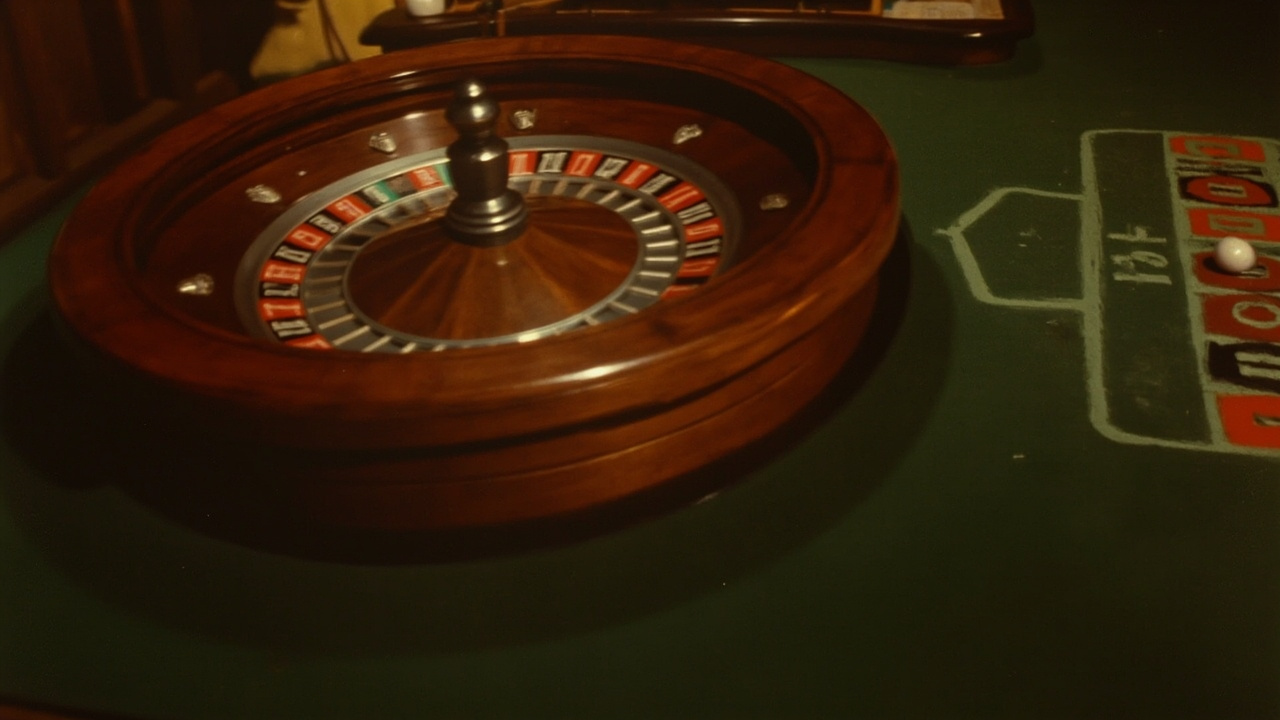
If you’re weighing whether a hold feature suits your next session, the clearest move is to check the hold cost, the locked symbol behaviour, and the round end condition before you press the button, then size your stake to the number of spins you can afford if the hold doesn’t pay out straight away. A transparent operator will lay those details out in plain language, list the bonus contribution and wagering in the same place, and keep the support window aligned with the hours you’re actually likely to play. I’d rather see a machine that tells you exactly how the hold works than one that relies on flashy animation to sell the moment, and I’d rather size my stake to the session I want than chase a locked reel that doesn’t match my bankroll. Play the hold feature when the maths and the screen both support it, keep your pacing steady, and treat the round as one part of a session rather than the whole reason you sat down.